

Bishoujo does not incarnate
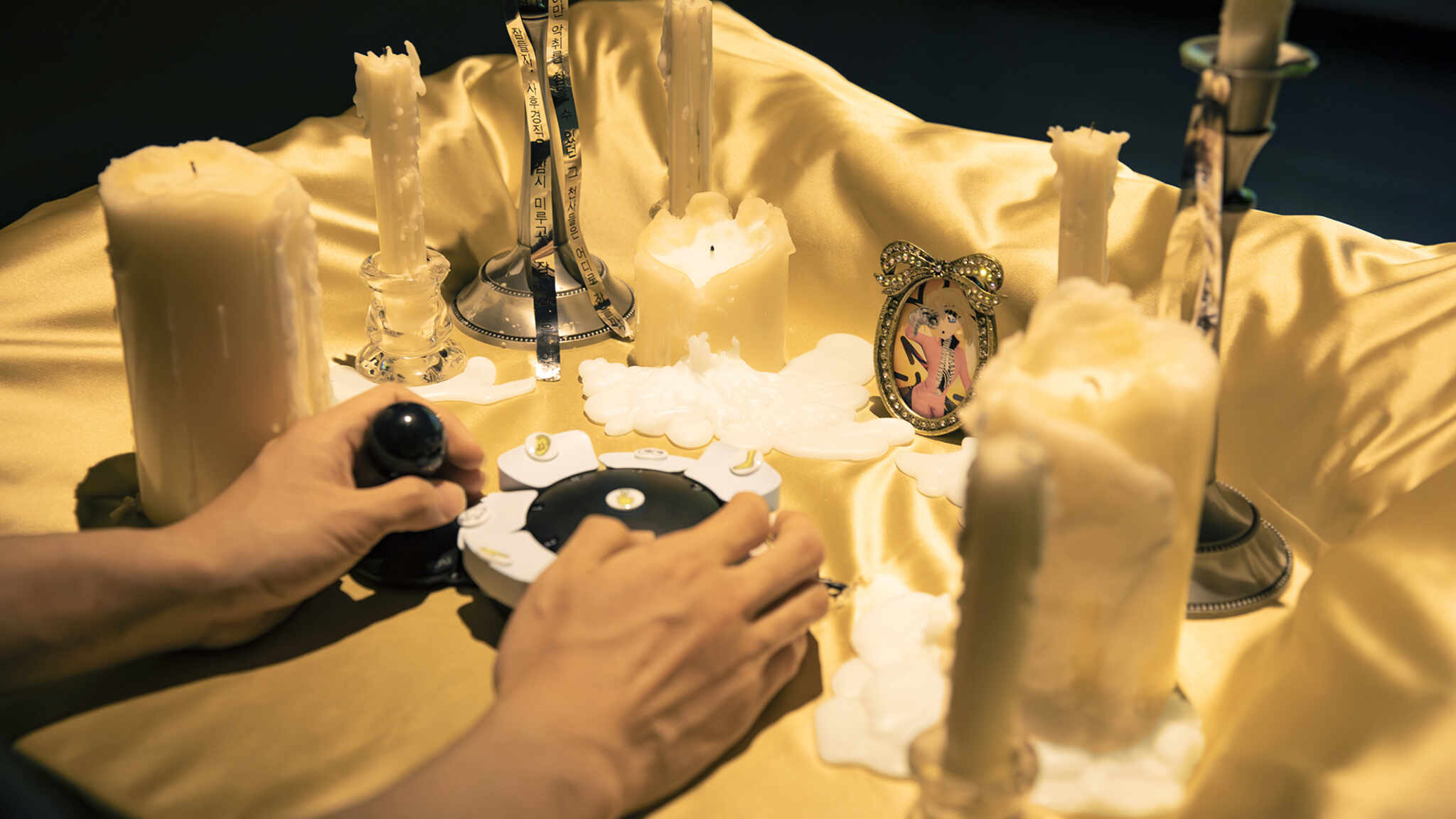
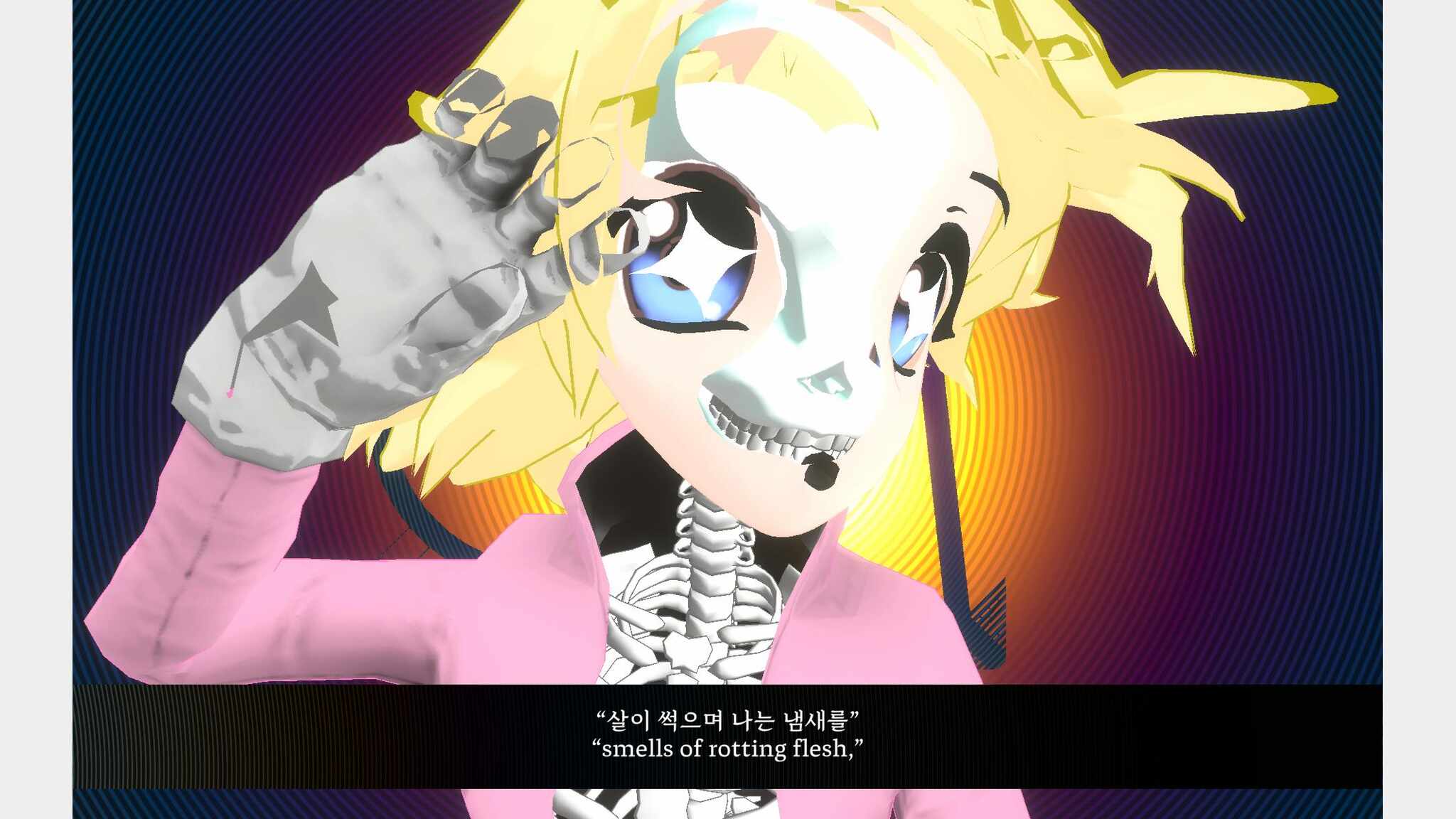
“Bishoujo does not incarnate” explores how the body representation of 3D modeling-based Bishoujo avatars embodies a gendered fantasy about social intimacy and a removable body. This interactive real-time simulation follows the story of the Bishoujo character TEE in a desolate VR chat world abandoned by its users, letting the players interact with the physical interface corresponding with Bishoujo’s weightless organs. This project adopts the point-and-click and rhythm game to give itself a retrospective and subcultural atmosphere. In-game conversations between TEE and its identical twins revolve around the materiality of 3D modeling and the historicity of the Bishoujo icon. ‘Wearing’ 3D bishoujo modeling has become one of the most popular self-expressions in the VR chat community, where community members have cultivated subcultural body expressions using diverse technical practices. Bishoujo’s character serves as a ‘cute’ detour that temporarily allows its users to wriggle out of the oppressive gender roles and explore alternative self-images. Moreover, it functions as a social facial mask, a baby schema strategically encouraging to mediate intimate relationships and friendships that were supposed to be unavailable in the ‘real’ world and ‘real’ body. This project focuses on the irony of this virtual body, sometimes described as ‘ideal’ alternatives. 3D modeling created for its sole external presentation in the game engine usually conceals its inner empty spaces, which display itself only when a bug occurs. TEE’s journey through virtual ruins develops a metaphoric link between the external, wearable, cute surface and the inner concealed vacuum where ‘The real’ resides. By addressing the 3D modeling’s inside voidness visually and interactively, this project leads the players to reenact the vestige of intimate role-playing and contemplate the inverted wish for the removable flesh.