

nino
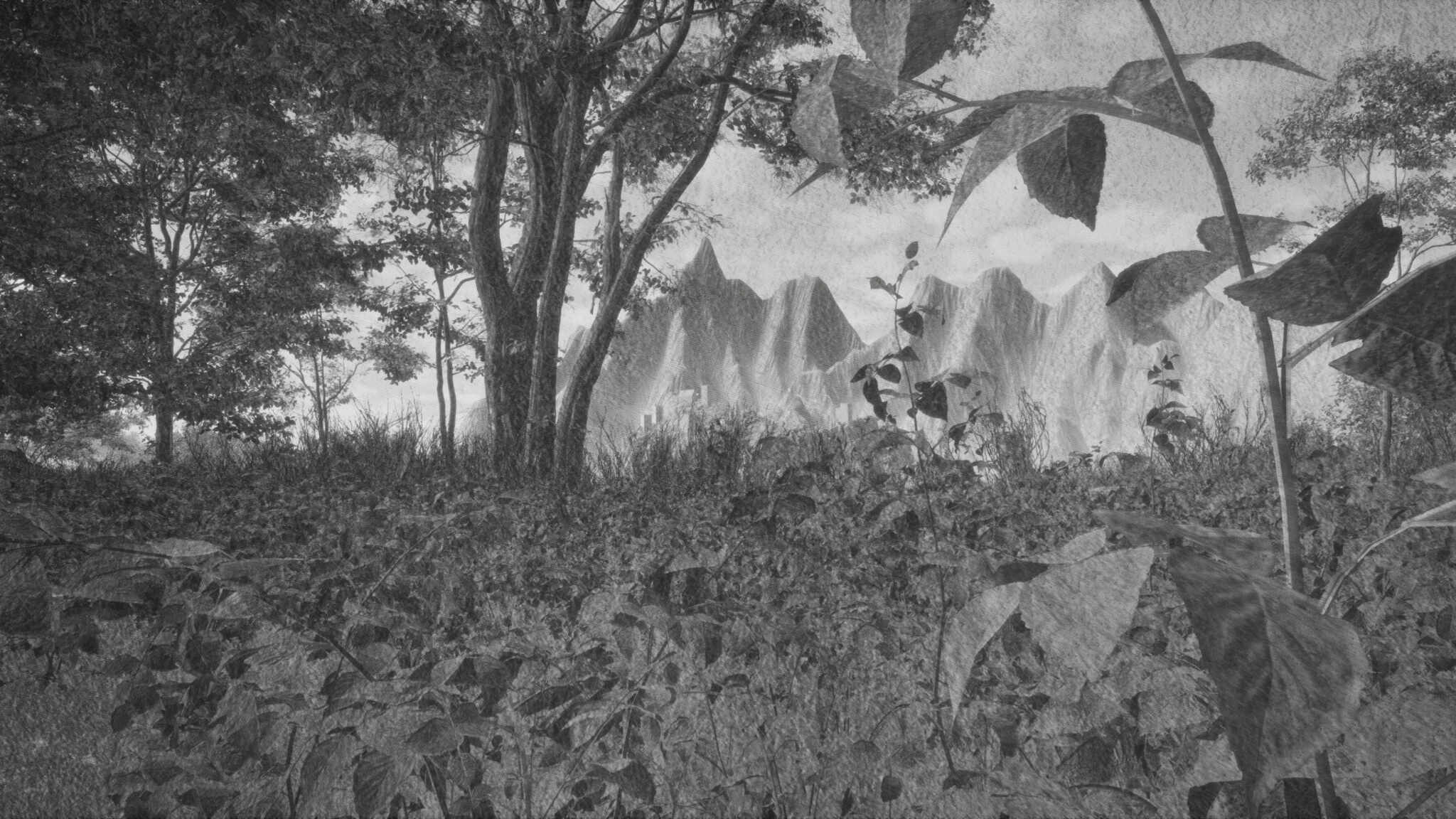
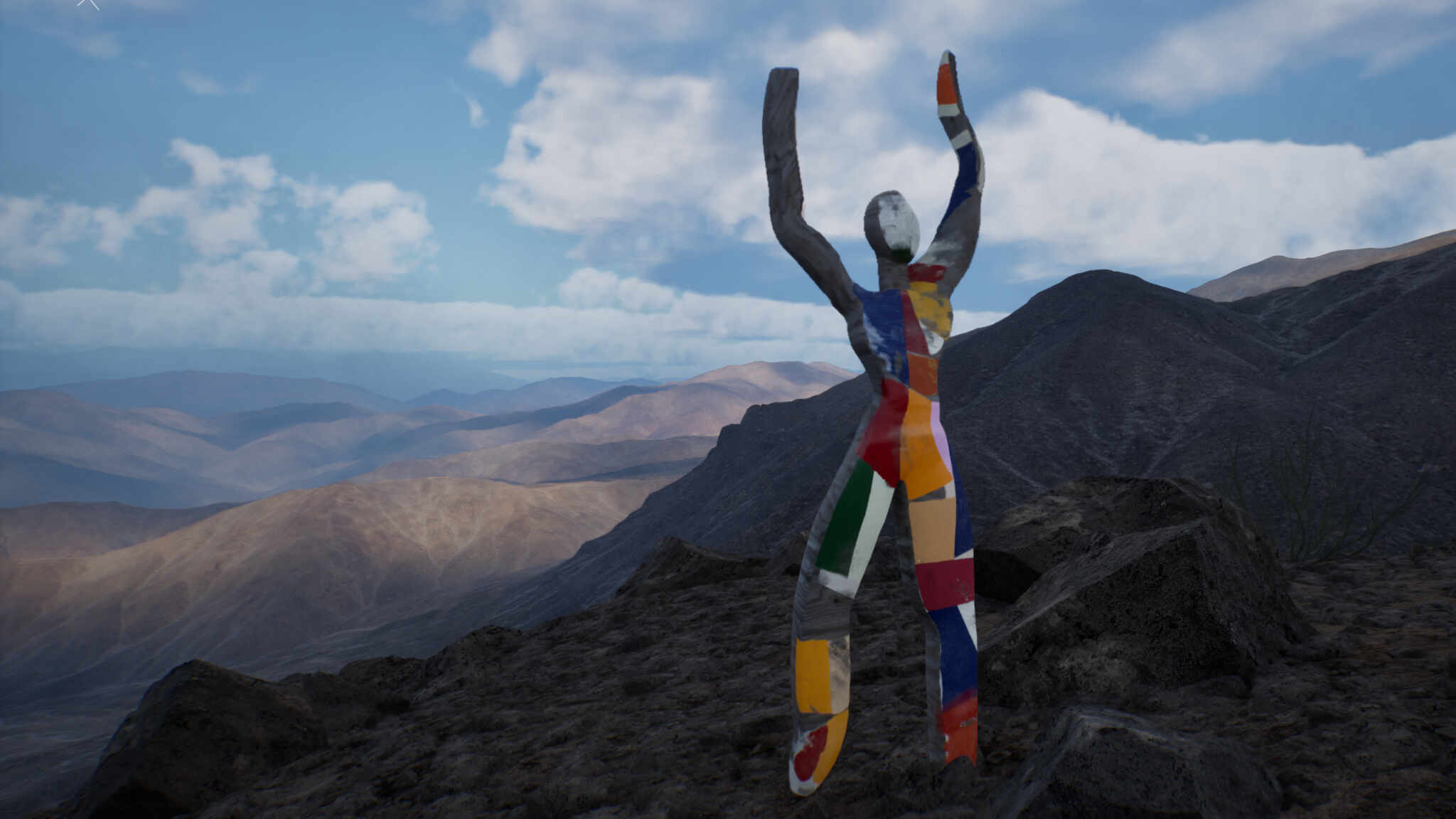
’nino’ is a single or dual-player, interactive installation ‘expanding the creative possibilities for dance performance by transposing to a different domain - into a game world’ The Novacene is the conceptual lens through which nino frames anxiety about AI, as well as issues of identity & connection prevalent in contemporary society and promotes a future characterised by increased connectivity, a return to the body, and a reconnection with the environment. The novacene, proposed by scientist James Lovelock, originator of the Gaia theory, describes a hypothetical new geological era succeeding the Anthropocene, one in which ultra-intelligent, self-improving artificial systems become the dominant force shaping Earth’s biosphere. Through the use of virtual incarnation and social interaction, an immersive experience is created, facilitating connections and collaborations with the audience. Technology, including real-time motion capture, AI, and game engines, is employed to develop avatars and environments. The unconventional body types of the avatars invite consideration of how we define ourselves and how those definitions evolve interactions in virtual spaces. Developed from a 45min live performance during a residency at Trafó, Budapest, the user becomes at once the author and the viewer of the artwork, in this speculative simulation -an unconventional gamelike experience. Lovelock, J. (2019). Novacene: The Coming Age of Hyperintelligence. London: Allen Lane ISBN-10 : 024139936Xnino creditsCreators: Ruth Gibson, Bruno MartelliDancers: Eszter Gál, Csilla Gesztelyi Nagy, Balázs Oláh, Mar Serra Martí, Helén Tamaskó, Robert Anderson, Ally Clarke, Ruby Portus, Zara PhilipsMusic: Mechanoid Muse (Marcus Villaca), Casually Here (Nic Nell)Sound design: Nic NellDramaturg/Vo: Catherine DuquetteCostume: Kitti LaposaSpecial thanks: Liza Nagy, Naoto Hieda, William Ruddock Primett, Ulrich Schrauth & LFF Expanded. Unreal developer: Bruno MartelliSupported by: MODINA, Creative Europe program of the European Union, SIN Arts Centre, MotionBank/CCL University of Applied Sciences Düsseldorf (HSD), Trafó Kortárs Művészetek Háza, Budapest